
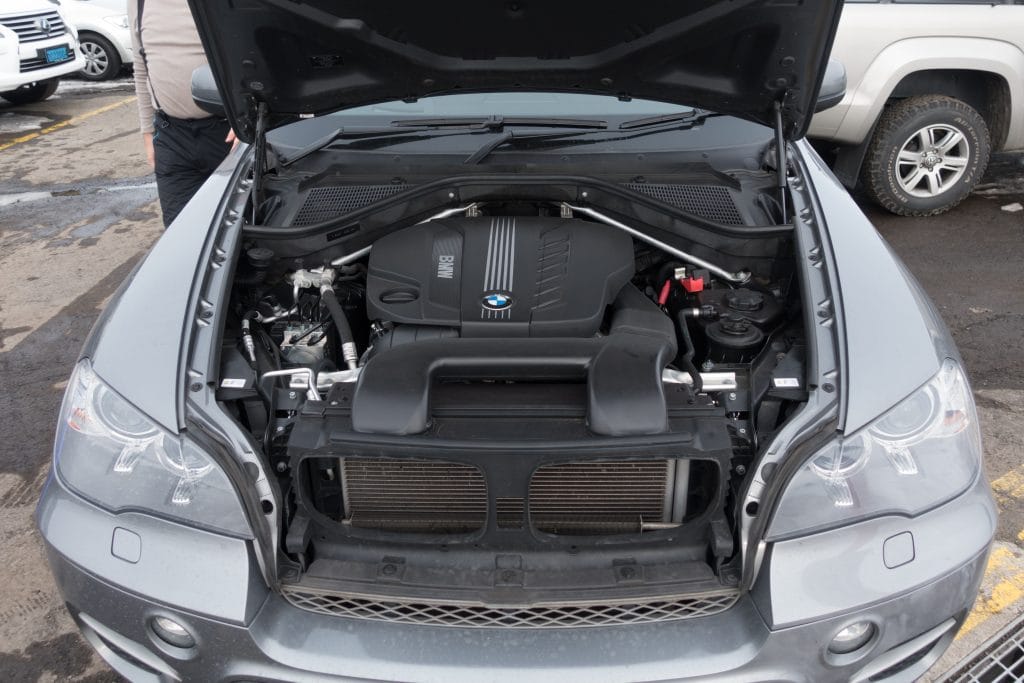
Learn how long engine belt replacement usually takes, what factors affect repair time, and when to schedule service with a Mobile Mechanic in Tallahassee, FL.
Engine belts are small components with a very important job. These belts transfer power from the engine to several systems that keep your vehicle running properly. The serpentine belt, for example, powers the alternator, power steering pump, air conditioning compressor, and sometimes the water pump. When the belt becomes worn or damaged, it must be replaced to prevent further mechanical problems.
Many drivers wonder how long belt replacement takes and whether the repair will leave them without their vehicle for an entire day. The good news is that most belt replacements are relatively quick repairs when handled by an experienced mechanic.
Understanding the repair process and what factors affect replacement time can help drivers prepare for maintenance and avoid unexpected breakdowns. If your vehicle needs belt service, a Mobile Mechanic in Tallahassee, FL can inspect and replace the belt at your location, saving you time and inconvenience.
What Engine Belts Do in Your Vehicle
Engine belts connect the engine’s crankshaft to other components that require mechanical power. Modern vehicles commonly use a serpentine belt system that allows one belt to operate several accessories.
These accessories typically include:
- Alternator
- Power steering pump
- Air conditioning compressor
- Water pump
- Cooling system components
Without a properly functioning belt, these systems cannot operate correctly. This is why belt inspections and replacements are an important part of routine vehicle maintenance.
Some vehicles also use timing belts, which synchronize the rotation of the crankshaft and camshaft. This ensures the engine valves open and close at the correct time.
How Long Does Serpentine Belt Replacement Take?
Serpentine belt replacement is usually a relatively quick repair. In most vehicles, the process takes between 30 minutes and one hour.
This is because the serpentine belt is typically located on the outside of the engine and can be accessed without removing major engine components.
During the replacement process, a mechanic will:
- Inspect the belt for cracks, wear, or glazing
- Release the belt tensioner
- Remove the old belt
- Install the new belt following the correct pulley routing
- Check pulley alignment and belt tension
Once the new belt is installed, the engine is started to ensure the belt runs smoothly and quietly.
How Long Does Timing Belt Replacement Take?
Timing belt replacement takes significantly longer than serpentine belt replacement. Depending on the vehicle, the repair can take three to six hours or more.
Timing belts are located deeper inside the engine and often require removal of several components before the belt can be accessed. These components may include:
- Engine covers
- Pulleys
- Mounting brackets
- Cooling system parts
Because timing belts control the engine’s valve timing, precise installation is critical.
For this reason, timing belt replacement is usually considered a more complex repair.
Factors That Affect Belt Replacement Time
Vehicle Make and Model
Different vehicles have different engine layouts. Some engines allow easy access to belts, while others require additional parts to be removed before the belt can be replaced.
Luxury or compact vehicles may have tighter engine compartments that increase repair time.
Condition of Related Components
Sometimes a belt replacement reveals other worn parts that need attention.
These components may include:
- Belt tensioners
- Idler pulleys
- Water pumps
- Pulley bearings
If any of these parts are damaged, the mechanic may recommend replacing them during the same repair.
Accessibility of the Engine
Front-wheel-drive vehicles often have tightly packed engine bays. This can make belt replacement slightly more difficult compared to vehicles with more open engine compartments.
Additional Diagnostic Checks
Before installing a new belt, mechanics may inspect surrounding components to ensure there are no issues that could damage the new belt.
These checks help prevent future belt failures.
Signs Your Engine Belt May Need Replacement
Squealing or Chirping Noises
A high-pitched noise from the engine is one of the most common signs of belt wear. This usually occurs when the belt begins slipping on the pulleys.
Visible Cracks or Fraying
If you notice cracks or frayed edges on the belt, it may be nearing the end of its lifespan.
Rubber belts naturally wear down over time.
Engine Overheating
In many vehicles, the serpentine belt powers the water pump. If the belt slips or breaks, coolant may not circulate properly, causing the engine temperature to rise.
Loss of Power Steering
A failing serpentine belt may affect the power steering pump, making the steering wheel harder to turn.
Battery Warning Light
Because the alternator relies on the serpentine belt, a failing belt may prevent the battery from charging properly.
What Happens If Belt Replacement Is Delayed?
Ignoring belt problems can lead to sudden breakdowns. If the serpentine belt breaks while driving, several systems may stop working at once.
Drivers may experience:
- Loss of power steering
- Engine overheating
- Battery charging failure
- Air conditioning failure
Timing belt failure can cause severe internal engine damage in certain vehicles, making replacement far more expensive.
Replacing belts before they fail helps prevent these risks.
How a Mobile Mechanic in Tallahassee, FL Can Help
Many drivers prefer mobile repair services when dealing with belt issues. A Mobile Mechanic in Tallahassee, FL can inspect and replace the belt at your home, workplace, or roadside location.
Mobile mechanic services may include:
- Serpentine belt replacement
- Timing belt inspections
- Belt tensioner checks
- Pulley alignment inspections
- Cooling system diagnostics
This convenient service allows drivers to resolve belt problems without arranging towing or waiting at a repair shop.
Tips to Extend Engine Belt Life
Follow Manufacturer Maintenance Schedules
Vehicle manufacturers provide recommended belt replacement intervals in the owner’s manual.
Inspect Belts During Routine Maintenance
Routine inspections can identify early signs of wear before the belt fails.
Fix Fluid Leaks Quickly
Oil or coolant leaks can damage rubber belts and cause premature wear.
Replace Belt Tensioners When Necessary
A worn tensioner can cause belts to slip, which leads to faster wear.
Engine belt replacement is a relatively quick repair for most vehicles, especially when replacing a serpentine belt. While the exact repair time varies depending on the vehicle, most serpentine belt replacements take less than an hour, while timing belt replacements may take several hours due to the complexity of the repair.
Routine belt inspections and timely replacements help prevent unexpected breakdowns and protect important engine components. Addressing belt wear early ensures that critical systems such as the alternator, power steering pump, and cooling system continue to operate properly.
If your vehicle shows signs of belt wear, scheduling an inspection is the safest option.
If your vehicle needs belt replacement, Mobile Mechanic in Tallahassee, FL can inspect and replace the belt at your location. On-site service helps drivers resolve vehicle issues quickly and keep their cars running safely.
Schedule service today and prevent belt problems from turning into costly repairs.